 seriousdetecting.com
Answer
May 29, 2026 - 02:06 PM
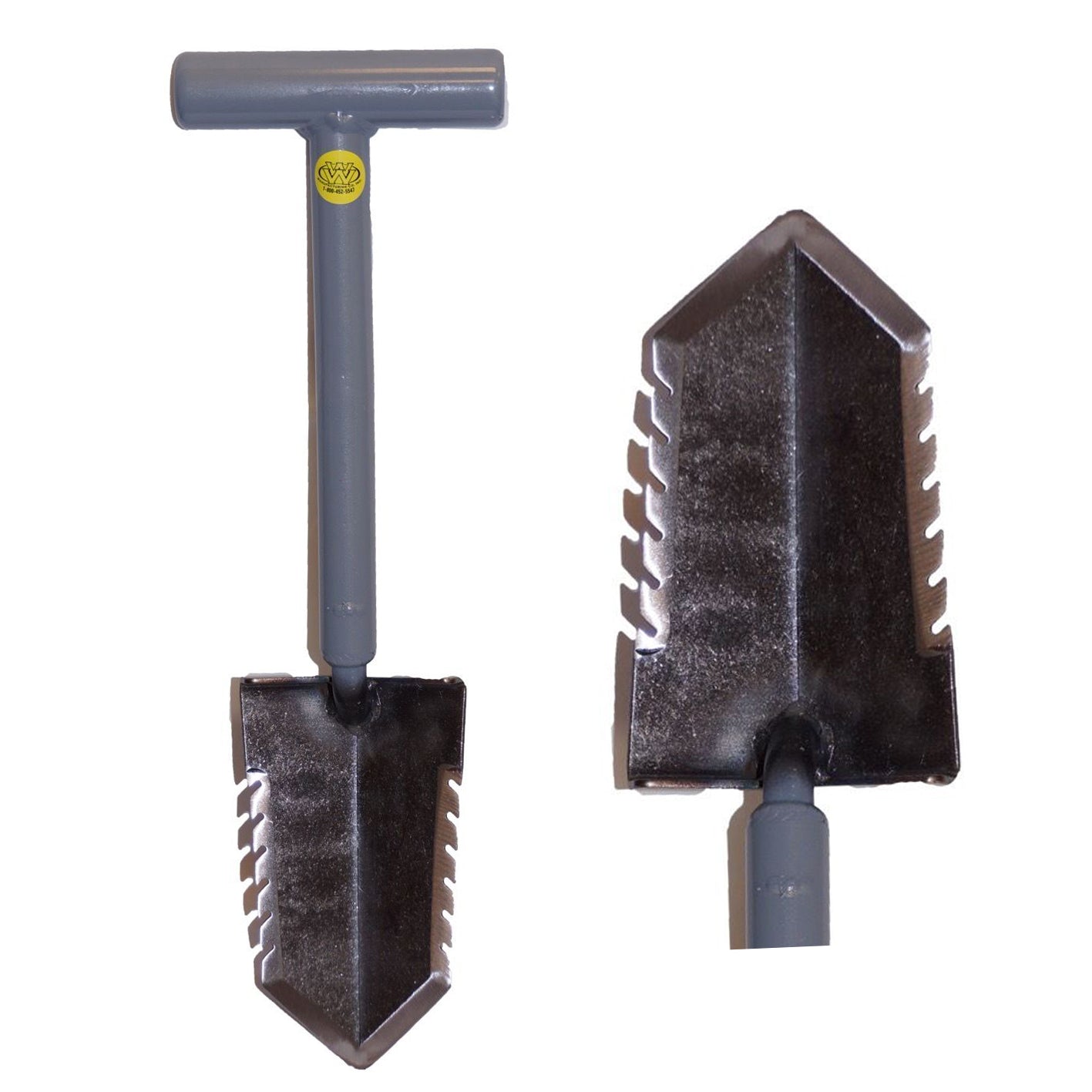
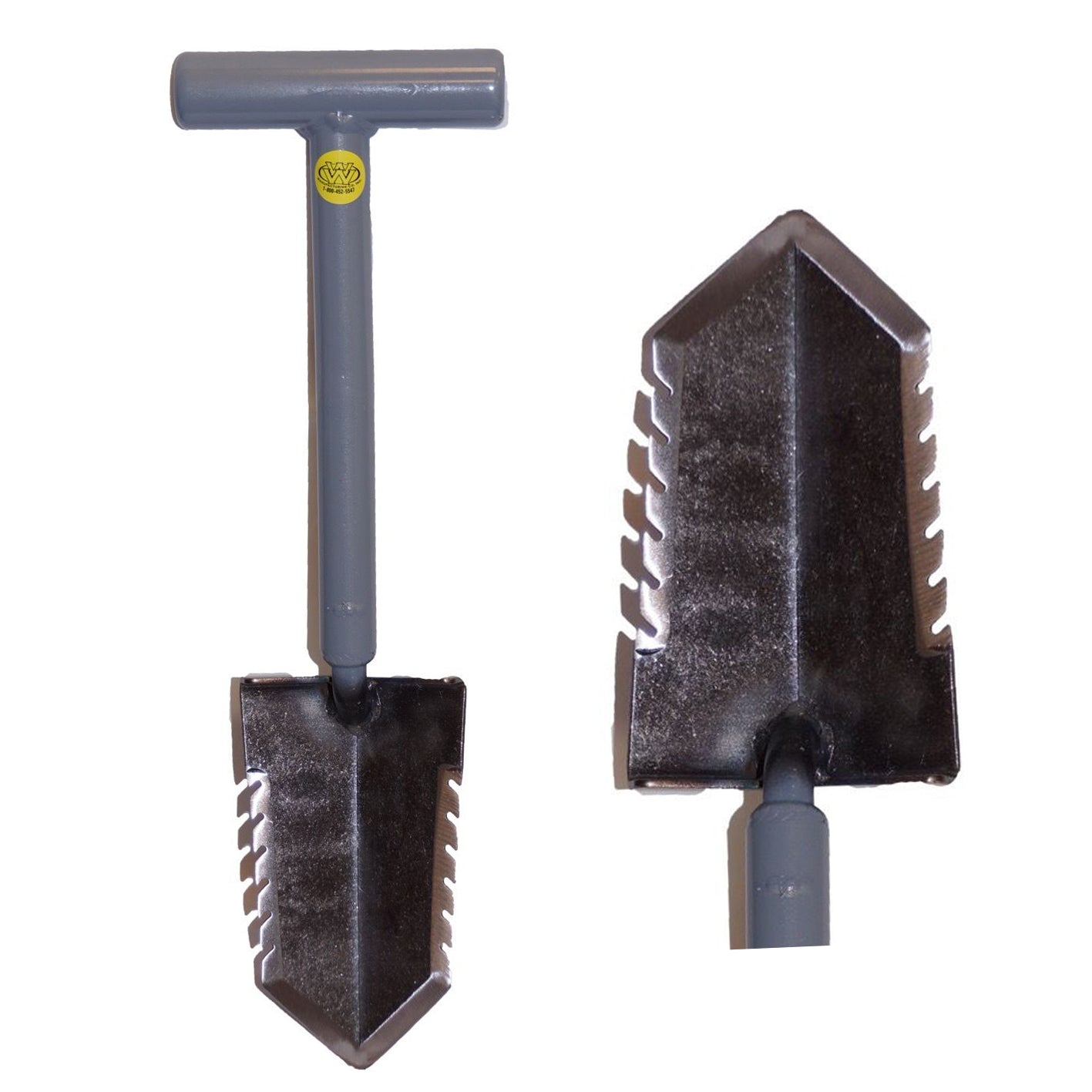
The double-serrated edge on the Lesche Sampson cuts through roots and compacted soil without requiring pre-sharpening, a practical advantage in wooded relic sites and old homestead locations. The factory serrations bite into root mats common in cellar holes and farmland edges, where a smooth-edge blade would deflect or require multiple strikes to penetrate. The heat-treated blade holds the serrated pattern through repeated contact with rocks and gravel, and the teeth engage soil on both the downstroke and the plug-removal stroke. We run the Sampson in sites where maples and oaks have created dense root systems in the top 12 inches, the serrations cut cleanly where smooth blades struggle.