 seriousdetecting.com
Answer
May 29, 2026 - 03:35 PM
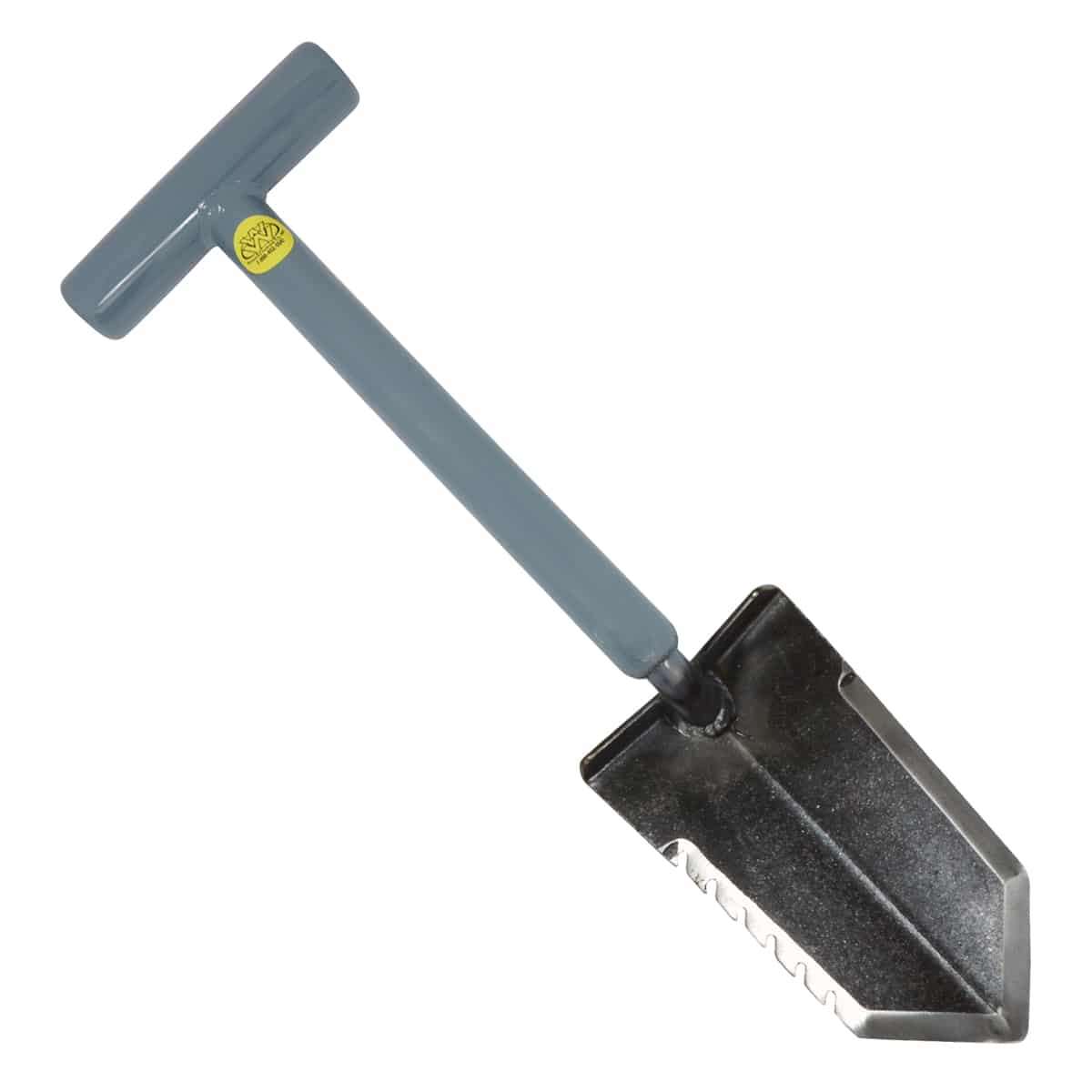
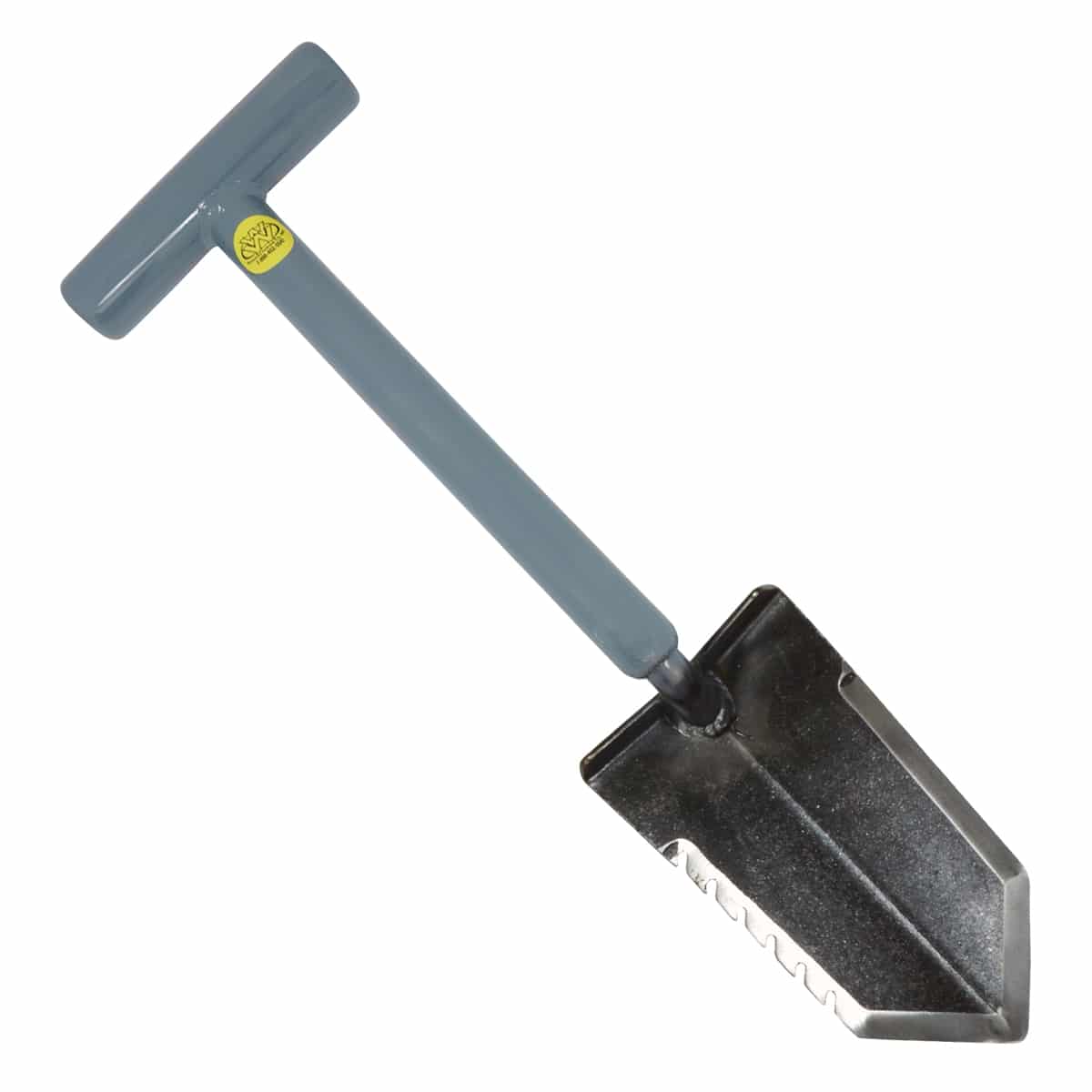
The Sampson's serrated edge cuts through fibrous roots, sod, and compacted clay faster than a straight blade by concentrating force along the teeth, which bite into material rather than skating off the surface. In root-heavy sites like overgrown homesteads or wooded areas, the serrations slice through shallow root systems without requiring the repeated chopping strokes a smooth blade demands. In hard-packed clay or caliche, the teeth create initial fracture points that make it easier to break up the soil plug. The tradeoff is slightly rougher plug edges compared to a straight blade, which some park hunters prefer for clean turf replacement. For remote relic and coin sites where plug aesthetics matter less than cutting speed and edge durability, the serrated design reduces fatigue and maintains sharpness longer than a straight edge that dulls from repeated contact with rocks and roots.