 seriousdetecting.com
Answer
Jun 03, 2026 - 09:52 AM
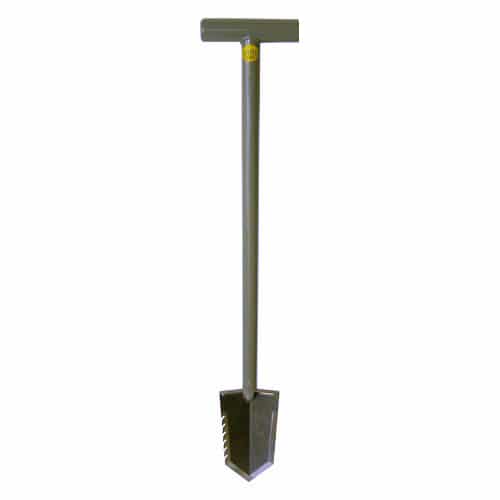
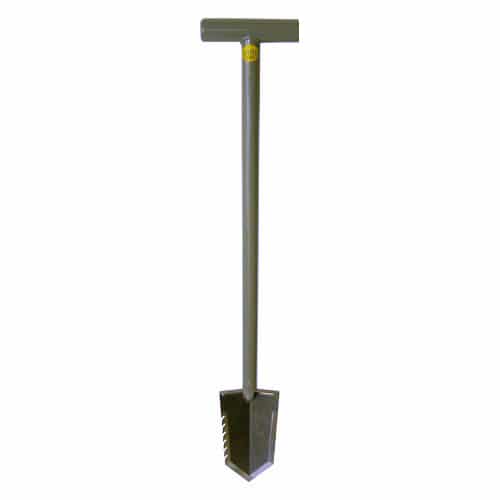
The serrated edge on the Lesche Sampson cuts through fibrous roots, dense clay, and compacted soil faster than a plain edge because the teeth concentrate cutting force into smaller contact points. When you encounter root systems in cellar holes or field edges, the serrated blade saws through the fibers instead of pushing them aside. The edge is pre-sharpened and heat-treated for durability, so it resists dulling from repeated contact with rocks and gravel. A plain-edge shovel works well in loose or sandy soil, but the serrated design gives you a measurable advantage in root-heavy and clay-dominant ground conditions.