



Is metal detecting worth it? The answer depends on what you're looking for from this hobby. Some people dive in purely for enjoyment and the thrill of discovery. Others get so serious they start viewing it as a potential income source.
If you're in the first category and enjoy the hunt itself, then yes – it's absolutely worth it. If you're hoping to make money, success depends heavily on your skills, dedication, and realistic expectations about metal detecting equipment costs versus potential returns.
Before you invest in your first metal detector for beginners, understand what this hobby actually involves. You'll need patience, proper gear, and realistic expectations about both costs and rewards.
Can You Actually Make Money Metal Detecting?
Making a living from metal detecting is possible, but it's not as simple as buying a detector and finding treasure. You need the right combination of skills, experience, and business sense.
Finding valuable items happens, but it's unpredictable. You can't count on treasure finds to pay your bills. The detectorists who make real money usually diversify their approach.
Here's how some people turn their hobby into income:
- Become a dealer – Sell metal detectors and accessories online or through a local shop
- Create content – Start a YouTube channel or blog sharing tips and experiences
- Affiliate marketing – Earn commissions promoting detecting gear you actually use
- Offer services – Help people find lost jewelry or property markers
- Teach workshops – Share your expertise with beginners in your area
These income streams can make your hobby investment pay off, but they require treating metal detecting like a business, not just weekend fun.
Why People Get Into Metal Detecting
The benefits of metal detecting vary depending on what draws you to it. Here are the main reasons people stick with this hobby long-term:
Outdoor Time and Exercise
Every detecting session happens outdoors. You'll walk miles, dig holes, and breathe fresh air. It's cardio disguised as treasure hunting.
Unlike gym workouts, you're focused on the hunt rather than counting reps. Many detectorists cover 5-10 miles per session without realizing it.
Community and Learning
The detecting community is genuinely helpful. Local clubs share prime hunting spots, and online forums offer advice on everything from beginner metal detector choices to advanced recovery techniques.
Experienced hunters often mentor newcomers. You'll learn faster by connecting with people who've been detecting for decades.
Skill Development
Good detecting takes real skill. Reading terrain, understanding target signals, and researching historical sites all improve with practice.
The detector itself is just a tool. Knowing where to hunt, how to interpret signals, and what targets to pursue separates successful hunters from those who quit after a few sessions.
Historical Connection
Finding old coins, buttons, or artifacts connects you to local history. That 1800s coin you uncover tells a story about who lived and worked in that area.
Many detectorists become amateur historians, researching old maps and property records to find productive hunting sites.

How Metal Detecting Compares to Other Hobbies
Unlike most outdoor activities, metal detecting combines physical exercise with the possibility of actual treasure. That potential for discovery keeps it interesting in ways that routine sports can't match.
Each hunt is different. You might find colonial-era relics at an old homestead one day and modern jewelry at the beach the next. That variety keeps the hobby fresh for decades.
The unpredictability factor is huge. Golfers know they'll play 18 holes. Fishermen might catch nothing. But detectorists always find something – even if it's just trash that teaches them about target identification.
Real Costs to Consider
Metal detecting isn't a cheap hobby to start properly. Here's what you're looking at cost-wise:
Essential gear costs:
- Decent detector: $400-$800 for good quality beginner models
- Pinpointer: $150-$300
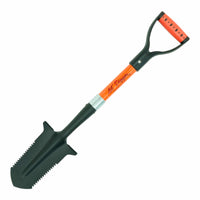
- Digging tools: $50-$100
- Headphones: $50-$150
- Finds pouch and accessories: $50-$100
That's $700-$1,450 just to start with quality gear. Cheap detectors under $200 mostly create frustration rather than finds.
Ongoing costs include:
- Gas for travel to hunting sites
- Research materials and maps
- Permission fees for some private properties
- Replacement coils and accessories
When Metal Detecting Isn't Worth It
This hobby isn't for everyone. Skip metal detecting if you:
- Expect quick profits – Most finds are trash or low-value items
- Lack patience – Good finds often take hours or multiple trips
- Won't invest in decent gear – Cheap detectors waste more time than they save
- Can't handle disappointment – Skunked days happen to everyone
- Don't enjoy research – The best hunters spend time studying maps and history
If you're primarily motivated by money, consider that most successful detecting businesses focus on services and education rather than treasure finds.
Getting Started the Right Way
If you decide metal detecting is worth trying, start smart:
If you're past the question and ready to pick a detector, our best metal detectors guide is the next stop.
Buy quality gear upfront. A $600 detector that finds targets reliably beats a $200 model that misses everything. You'll enjoy the hobby more and find better targets.
Join local groups early. Experienced hunters share knowledge that takes years to learn on your own. Most clubs welcome beginners and organize group hunts.
Start with easy targets. Modern parks and beaches teach you machine operation before tackling challenging sites with lots of iron trash.
Track your finds. Keep records of what you find where. This data helps identify productive areas and hunting patterns.
Metal detecting rewards patience, research, and persistence more than luck. If those qualities appeal to you, this hobby offers decades of outdoor adventure and genuine discovery opportunities.
Once you've decided it's worth trying, our getting started with metal detecting guide covers everything you need for your first hunt.
The Bottom Line on Value
Metal detecting is worth it if you enjoy the process itself – the research, the outdoor time, the community, and the thrill of unknown targets. The hobby offers real rewards beyond monetary finds.
It's not worth it if you're primarily chasing income or expecting frequent valuable discoveries. Those happen, but not reliably enough to justify the time and equipment costs for most people.
Think of it like fishing. The real value comes from the experience, not just what you bring home. If that perspective appeals to you, metal detecting offers a lifetime of outdoor adventure.
