



DD coils (Double-D) are the go-to choice for most serious detectorists, and there's good reason why they come standard on premium machines like the Minelab Equinox and Manticore series. Unlike concentric coils, DD coils handle tough ground conditions without constantly chattering or giving false signals.
What Are DD Coils and How Do They Work?
A Double-D coil contains two overlapping wire windings shaped like the letter "D". One winding transmits the electromagnetic field while the other receives it. This overlapping design creates a blade-shaped detection pattern that cuts deep into the ground with minimal ground interference.
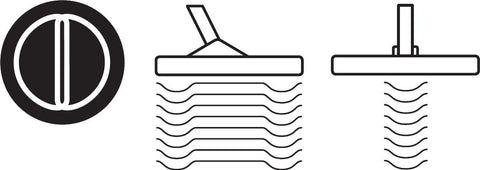
The key advantage comes from this overlapping configuration. When mineralized soil tries to interfere with your signal, both windings receive the same ground signal and cancel it out. Target signals, however, disrupt this balance and get through clearly.
DD vs Concentric Coils: When Each Excels
Concentric coils use a circular outer transmit winding with a smaller inner receive winding. They create a cone-shaped detection field that's excellent for pinpointing but struggles in bad ground.
DD Coils Win For:
- Mineralized ground: Red dirt, black sand beaches, areas with high iron content
- Target separation: Better at identifying individual targets in trashy areas
- Depth: Generally achieve 10-15% better depth than equivalent concentric coils
- Stability: Less ground noise and false signals
- Wet salt sand: Essential for serious beach hunting
Concentric Coils Win For:
- Pinpointing: Circular pattern makes centering targets easier
- Sensitivity: Slightly more sensitive to small targets in ideal ground
- Simple ground conditions: Low mineralization areas like parks and fields
DD Coils for Gold Prospecting
If you're hunting gold in mineralized ground, DD coils are practically mandatory. The X-TERRA Pro and Equinox series perform significantly quieter with DD coils in gold country compared to concentric options.
Hot rocks and iron mineralization that would make a concentric coil unusable become manageable with a quality DD coil. You'll spend more time listening for targets instead of constantly adjusting your ground balance.
DD Coils on GPX Detectors
Minelab GPX detectors showcase DD coils' versatility best. When you activate Iron Reject, only DD coils can discriminate between ferrous and non-ferrous targets. Mono coils lose this ability entirely.
This discrimination capability makes DD coils invaluable for relic hunting in areas littered with iron debris. You can reject obvious junk while still hearing good targets underneath.
Search Pattern Efficiency
DD coils require less overlap between sweeps compared to concentric coils. The blade-shaped detection pattern means you can cover ground faster while maintaining complete coverage.
Most detectorists use a 20-25% overlap with DD coils versus 30-40% with concentric coils. Over a full day's hunting, this efficiency adds up to significantly more ground covered.
Size Considerations for DD Coils
Larger DD coils (11" and up) excel at depth and ground coverage but lose some sensitivity to small targets. Smaller DD coils (6-8") offer better maneuverability in tight spaces and improved sensitivity to tiny gold nuggets.
For general purpose detecting, an 11" DD coil hits the sweet spot between depth, coverage, and sensitivity. It's why most manufacturers ship this size as standard equipment.
Popular DD Coil Sizes:
- 6" DD: Tight spaces, small gold, trashy areas
- 9" DD: Excellent all-around size for most conditions
- 11" DD: Best balance of depth and sensitivity
- 15" DD: Maximum depth for open areas
Electrical Interference and Noise
DD coils handle electrical interference better than concentric designs. Power lines, cell towers, and other electromagnetic sources that would render a concentric coil unusable often don't affect DD coils as severely.
This noise immunity becomes critical when detecting near urban areas or along beaches with electrical infrastructure nearby.
Maintenance and Durability
DD coils typically cost 20-30% more than equivalent concentric coils, but they're built for tougher conditions. The waterproof housings and robust wire windings handle beach salt spray and rocky terrain better.
Most DD coils feature replaceable wear plates on the bottom. When you inevitably wear through the plastic from scraping rocks, you can replace just the plate instead of the entire coil.
Choosing Your First DD Coil
If your detector came with a concentric coil and you're considering upgrading, start with a DD coil in the same size range. You'll immediately notice the improved stability and quieter operation.
For detectors like the Equinox series that ship with DD coils standard, consider adding a smaller 6" DD for trashy areas or a larger 15" DD for open field hunting.
