Rust Is What Actually Ends a Tool's Life
Almost nothing in a detecting kit wears out from use. Diggers, shovels, scoops, and picks fail because they came home wet, went into the truck or the garage dirty, and sat that way until the steel started giving itself back to the ground. Carbon steel diggers are the first to go, often within a single season on a coastal beat. Stainless resists it far longer but is not immune — salt finds the welds, the pivot points, and any place the finish got scratched by a rock. Everything on this page exists to interrupt that process at the two moments it can be interrupted: right after the hunt, and before the gear goes into storage.
The Ten Minutes After a Wet or Salty Hunt
Salt water is the single most destructive thing your gear will meet, and the fix is not complicated — it is just easy to skip when you are tired. Rinse anything that touched salt or wet sand in fresh water, including the digger, the scoop basket and its holes, boot buckles, and the outside of your finds pouch. Then dry it rather than leaving it to air dry in a bag, since trapped moisture in a folded pouch or a hollow handle is exactly where corrosion starts. A wipe of protective oil on bare steel takes another minute and buys months. Freshwater and inland hunting is gentler, but mud dries into an abrasive crust that holds moisture against metal, so the same routine applies with less urgency.
Brushes and Cloths for Field Grime
Packed dirt, clay, and dried sand come off far more easily with the right brush than with a rag and effort. Stiffer brass and bronze bristles suit bare steel tool heads, shovel edges, and anything where you are scrubbing a hard crust off a hard surface. Nylon is the one to reach for on softer, coated, painted, or plated surfaces where a metal bristle would leave scratches that become tomorrow's rust sites. Cotton wiping cloths finish the job and handle the part most people skip: wiping handles and metal down before storage, since skin salts and sweat quietly start corrosion on their own.
What Not to Put Solvent On
Worth being clear about, because the wrong product costs more than the tool it was meant to save. Keep solvents and heavy oils off your detector itself — search coils, coil covers, control housings, screens, rubber grips, and carbon fiber shafts. Those get a damp cloth and nothing stronger, because petroleum solvents can haze plastics, degrade rubber seals, and lift printed markings. The same goes for connector pins, headphone jacks, and charging ports: they stay dry and clean, never oiled. Save the chemistry for steel that is meant to be oiled, and let the electronics alone.
Dug Iron and Display Relics
Dug iron arrives with a moisture problem already in progress, and it will keep corroding on a shelf if nothing changes. The common hobby practice for display pieces is to knock loose dirt back with a soft brush, dry the piece thoroughly, and protect the surface with a light oil or wax film to slow further oxidation. Be deliberate about what you apply it to: this is for iron you intend to display, not for anything of genuine archaeological or numismatic value. Coins and collectible finds are a different discipline entirely — aggressive cleaning permanently destroys value — and the tumblers, media, and conservation tools built for that work are on the tumblers and cleaning supplies page. Clean the tool, protect the relic, and leave the keepers to the right method.
Firearms and Other Outdoor Gear
Much of what is on this page was built for firearm maintenance, and it still does that job well — caliber-sized patches and jags, bore brushes in brass and nylon, solvent, and a cleaner-lubricant-preservative for the protective coat before storage. If you are cleaning a firearm, confirm it is unloaded and the action open before anything else, and follow the manufacturer's directions on solvent dwell time, ventilation, and finish compatibility. The same consumables carry over to knives, boot hardware, trailer fittings, and the rest of the outdoor equipment that lives in the same damp truck bed as your detecting kit.
Gear Worth Protecting
If you are replacing something the rust already took, the tools themselves are under shovels, diggers and picks and sand scoops and diving tools, where stainless and titanium options resist corrosion far better on saltwater beaches. Covers, coil protection, and storage gear are under parts and accessories and bags, pouches and covers — a padded bag that lets gear dry rather than sealing it wet is its own form of corrosion control.


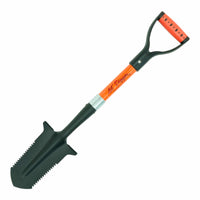
 The Professionals ChoiceSale Price $6.85 Regular Price
 Sold OutThe Professionals ChoiceRegular Price $4.32
 Sold OutThe Professionals ChoiceSale Price $10.95 Regular Price
 The Professionals ChoiceSale Price $4.78 Regular Price
 Sold OutThe Professionals ChoiceSale Price $2.55 Regular Price
 The Professionals ChoiceRegular Price $5.35Only 3 left
 The Professionals ChoiceSale Price $2.94 Regular Price
 The Professionals ChoiceRegular Price $5.25Only 1 left
 Sold OutThe Professionals ChoiceSale Price $8.75 Regular Price
 The Professionals ChoiceSale Price $1.46 Regular Price
 The Professionals ChoiceSale Price $1.46 Regular Price
 The Professionals ChoiceSale Price $6.96 Regular Price
 The Professionals ChoiceSale Price $1.46 Regular Price
 The Professionals ChoiceSale Price $1.46 Regular Price
 Sold OutThe Professionals ChoiceSale Price $7.01 Regular Price


