


Most people who get into metal detecting do it for the love of the hobby. If that's you, you probably head out with your detector in your free time because it's fun, it gets you outdoors, and every signal is a small mystery. But a smaller group of detectorists treat the hobby more seriously and use it to supplement their income, or even make a living from it.
That raises the obvious question: can you make money metal detecting? The honest answer is yes, but not by hoping for a headline-making hoard. Consistent money in this hobby comes from hunting the right places, over and over, with the right gear. This guide walks through the 10 best places to go metal detecting if you want your finds to pay for the hobby (and then some), along with a few other ways to earn and the rules you need to follow.

Making Money Metal Detecting 101
Let's set expectations first. For most hobbyists, metal detecting is not a way to get rich. You'll see stories about priceless artifacts being unearthed around the world, but the odds of that happening to you are slim, and you can't build a plan around a once-in-a-lifetime find. What you can do is put yourself where lost valuables pile up: places where lots of people have gathered, swum, played, or lived over a long period of time.
It's also worth remembering that a quality metal detector and the accessories that go with it are an investment. Add in the cost of a pinpointer, digging tools, and your time, and you'll want to be smart about where you swing. Which brings us to the list.
The 10 Best Places to Go Metal Detecting for Money
1. Beaches
Beaches are the number one money-maker for a reason. Sunscreen-slick fingers lose rings in the water, chains snap during a swim, and coins spill out of pockets in the sand every single day. Focus on the towel line (where people sit) and the wet sand and shallow water (where jewelry comes off), and hit the beach after a storm or big surf when erosion exposes older layers.
For beach work you'll want a sand scoop and a detector that handles wet salt sand without falsing, such as the Minelab Equinox 900. Gary Drayton's How to Find Old Coins and Artifacts at the Beach is the go-to primer on reading a beach.
2. Swimming Holes, Lakes, and Rivers
Anywhere people swim, they lose jewelry. Cold water shrinks fingers, and rings slide off without anyone noticing. Old swimming holes, lake beaches, river sandbars, and the shallows around docks and rope swings are full of gold and silver that has been sitting there for decades. A waterproof detector, a scoop, and a good pair of headphones are the essentials here, and Drayton's Water Hunting with a Metal Detector covers the technique.
3. Parks and Picnic Areas
City and county parks are the classic coin-shooting sites. The older the park, the better: a park established in the 1920s has had a century of picnics, ballgames, and concerts to seed the ground with coins and jewelry. Work around old trees, near benches and pavilions, and along the paths people take between parking lots and playgrounds. Older silver coins, wheat cents, and key dates are worth far more than face value to collectors, and modern clad still adds up over a season. A coin tumbler will clean up clad quickly (never tumble old or collectible coins, as cleaning destroys their value).

4. Sports Fields and Stadium Grounds
Football, baseball, and soccer fields see thousands of people running, sliding, and tackling. Rings, chains, earrings, and cash fall out constantly, and the sidelines, bleacher areas, and grassy overflow parking are just as productive as the field itself. School fields and community sports complexes are often hunted far less than parks, so the pickings can be surprisingly good. Always get permission first, and hunt when the field isn't in use.
5. Old Homesites and Farmsteads
Before banks were common, people buried their savings, and old homesites are where cache hunting really pays. Look for foundation stones, old wells, cellar holes, and big old shade trees where a house once stood. Beyond caches, you'll find coins lost in the yard over generations, buttons, buckles, and relics that collectors pay for. Charles Garrett's Treasure Caches Can Be Found is the classic guide to researching and recovering hidden money, and a sturdy Lesche digger will earn its keep in old, root-filled ground.
6. Fairgrounds, Carnival Grounds, and Event Fields
Anywhere a crowd gathers with cash in their pockets is a money site. County fairgrounds, rodeo grounds, festival fields, and the grassy lots used for fireworks and concerts are loaded with dropped coins and jewelry, and the older fairgrounds hold silver going back a century. Hunt right after an event for fresh drops, and hunt the fringes and old-growth trees for the older finds.
7. Hiking Trails, Campgrounds, and Trailheads
Campsites and trails are quieter money sites that most detectorists overlook. People set up tents, change clothes, and dig through packs, and coins and jewelry fall into the dirt around fire rings, picnic tables, and tent pads. Trailheads, scenic overlooks, and creek crossings where hikers stop to rest are also productive. A lightweight detector and a finds pouch keep the walk comfortable.
8. Gold-Bearing Creeks and Old Mining Districts
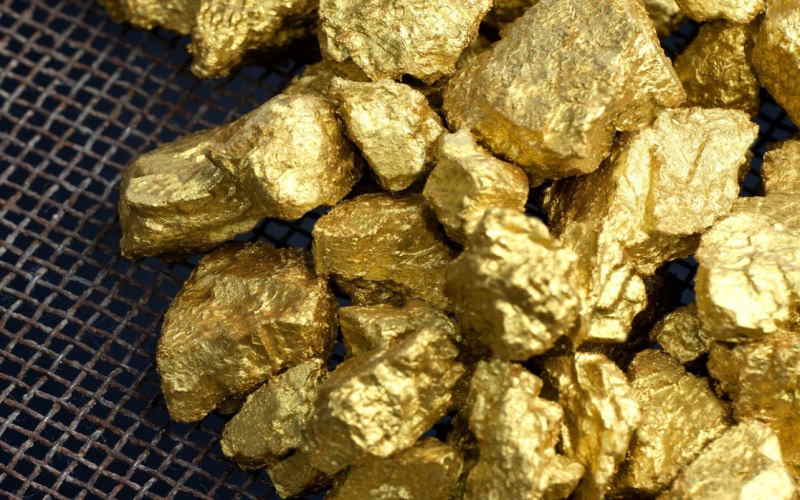
Natural gold is the highest-value target in the hobby, but it's only found in specific geology, so research comes first. Focus on known gold-producing regions and historical mining districts, and hunt the bedrock exposures, dry washes, and old tailing piles that the early miners left behind. Plenty of prospectors have dedicated years to chasing gold nuggets, and the good ones still pull them out.
A standard coin detector will struggle with small nuggets in mineralized ground, so invest in a detector designed specifically for gold. High-frequency VLF machines like the Garrett Goldmaster 24k excel on small gold, while pulse induction detectors like the Minelab SDC 2300 or Garrett Axiom punch through heavily mineralized ground. Browse the full range of gold prospecting equipment, including pans and sluices, to round out your kit.
9. Ghost Towns, Old Roads, and Historic Gathering Spots
Old stagecoach stops, abandoned townsites, former schoolyards, church picnic groves, and the routes of old roads are relic-hunter territory. Coins from the 1800s, military buttons, trade tokens, and period artifacts all have a collector market, and a single rare coin or relic can be worth hundreds. Historical maps, county histories, and old plat books will point you to sites that haven't been touched. Much of this land is private, so permission is essential, and some historic sites are legally protected (more on that below).
10. Private Property (With Permission)
The most underrated money site is the one nobody else can hunt. Old yards, family farms, and rural properties that have never seen a detector can produce coins, jewelry, and even caches, and landowners are often happy to let you hunt in exchange for a share of the finds or simply out of curiosity. Knock on doors, explain what you do, offer to fill every hole, and put any finds-sharing agreement in writing. A good pinpointer and clean recovery technique will get you invited back. If you'd like to learn how to research and approach sites like a pro, the metal detecting books and reference material in our library are a great place to start.
Other Ways to Earn: Offer Your Services
If you've developed real skill with a detector, you can earn without ever selling a find. Lost-item recovery is the most common service: people lose wedding rings in the yard, in the lake, or at the beach every day, and many will gladly pay a recovery fee or reward to get them back. Services like The Ring Finders connect detectorists with people who need help, and a good reputation brings repeat referrals.
Detectorists are also hired to locate property markers and survey pins, buried pipes and septic lids, and, in some cases, to assist law enforcement or investigators in searching for evidence. A quality pinpointer and a waterproof detector make these jobs far faster and more professional. And if you turn up relics or historically interesting objects, a local museum or historical society may be interested in acquiring or displaying them, which builds relationships that lead to research tips and site permissions.
Some Ethical and Legal Considerations
Making money metal detecting still means playing by the rules. Not everything you find is yours to keep. Depending on where you live, lost-property laws may require you to report or turn in valuable finds (especially identifiable items like class rings or engraved jewelry) to the police for a holding period before they become yours. Check your local rules before you sell anything of significant value.
Where you hunt matters just as much. Federal, state, and local laws govern where you can detect, and you'll need permission for many of the places on this list. Detecting is prohibited in national parks, on national monuments, and at protected heritage and archaeological sites, and many state parks and city parks have their own restrictions. On private land, always get the landowner's permission first, ideally in writing. If you're hunting a public space, double-check whether a permit is required.
Good etiquette also protects the hobby for everyone: fill your holes, pack out your trash, and respect the property you're on. Keep these points in mind and you can turn your metal detecting hobby into a rewarding side income, while still enjoying the thrill of the hunt.
