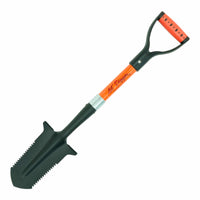
Gold Prospecting Equipment for the Field
Gold prospecting equipment runs from a $15 plastic pan to a pulse-induction detector that'll find a sub-gram nugget under three feet of caliche. Bedrock crevices in a mountain creek, dry washes in the desert, a benched-out claim worked by hand. Different ground, same problem: get the gear right or drive home empty. Our catalog covers gold mining equipment for every method and every budget, all of it field-tested by prospectors on staff.
Gold Metal Detectors for Prospecting
A detector built for gold runs at higher frequencies or uses pulse-induction technology to pick up small nuggets in mineralized ground that confuses general-purpose machines. The choice between VLF and PI comes down to the dirt you're working: mild-to-moderate ground rewards VLF sensitivity, while hot rocks and heavy iron mineralization demand PI. Most serious nugget hunters end up owning one of each.
VLF Gold Detectors
VLF machines like the XP ORX, Fisher Gold Bug 2, and Minelab Equinox 900 hit sub-gram nuggets in mild to moderate ground. They're light, affordable, and quick to learn. The Gold Bug 2 in particular is the benchmark for fine-gold sensitivity in workable soil. VLF detectors also give you target ID and discrimination a PI can't match, useful on old hydraulic tailings and trashy patch ground where every signal counts. Downside: careful ground balancing in mineralized dirt, and shallower depth than PI on bigger nuggets.
Pulse Induction (PI) Gold Detectors
Pulse-induction detectors like the Minelab GPX 6000, GPZ 8000, and SDC 2300 ignore hot rocks and ground mineralization that shut a VLF down. PI machines reach deeper targets in the volcanic and lateritic soils of the desert Southwest, Australia, and the other classic nugget countries. They cost more, weigh more, and don't offer the fine target ID of a high-frequency VLF. But they punch through ground that nothing else can read. Hunting known PI country, this is the only category that makes sense.
Gold Panning Equipment: Pans, Kits & Classifiers
Gold panning equipment is the foundation of every prospecting kit, and most of us still pan even when we're running serious gear. A 10-inch plastic pan is right for sampling and learning to read material; a 14-inch pan moves more dirt once you've located a paying layer. Steel pans last forever and release black sand cleanly. Plastic pans are lighter for the pack and easier for beginners to read color against. Classifiers stack above the pan to screen out cobbles and speed up processing: half-inch mesh handles bulk material, quarter-inch and eighth-inch screens isolate the productive fraction, and a 1/30" classifier gets you down to the flour-gold range where a snuffer becomes more useful than a pan. Two pans and a nested classifier set will cover most of what you'll see in the field. Building your first gold panning kit? Start with a pan from the gold pans collection, a nested classifier set, and a snuffer bottle, and you have the panning supplies to work any creek in the country.
Sluice Boxes, Highbankers & Power Sluices
Sluice boxes process high volumes of pay dirt by using stream flow to wash lighter material over riffles and matting that trap gold. A basic sluice sits in the current and needs no pump: good for an accessible creek with steady flow and minimal setup. A highbanker adds a hopper and a pump that pulls water from the stream so you can work benches and old high-water gravels well away from the main channel. Power sluices integrate a motorized pump and a classification deck into one portable unit, moving real yardage on remote claims where flow is too thin to feed a stream sluice. All three rely on stratification and specific gravity, but a highbanker or power sluice extends your range past the water's edge and opens up ground that wouldn't pay any other way. Match any sluice to the right classifier mesh and you'll recover gold down to 30-mesh and finer.
Gold Concentrators, Wheels & Cleanup Tools
After a day on the sluice or drywasher, you're left with heavy black sand concentrate that still hides fine gold a magnet won't pull. A Blue Bowl uses water flow to separate gold from magnetite, garnet, and other heavies. A Gold Cube runs concentrate over a series of vortex mats and captures flour gold that washes right out of a standard pan. Spiral wheels and Miller tables work the same gravity principle in different formats; pick based on volume, water access, and patience. Black sand magnets pull the bulk of the magnetite before final cleanup, saving time and protecting micron flakes from getting flushed. Without something in this category, a high-volume sluice run barely pays.
Crevice Tools, Snuffer Bottles & Field Accessories
Bedrock crevices hold some of the richest gold on any claim, but you need the right prospecting accessories to pull it out. Crevice picks, pry bars, and bent screwdrivers clean packed clay and gravel out of cracks without scarring your pan. A suction snuffer bottle or turkey baster picks individual flakes and pickers out of the pan without losing them in the swirl. Glass vials, screw-top containers, and magnetic clasps keep your gold secure in the field, and a good loupe and pair of tweezers let you inspect specimens before they go in the bottle. None of it weighs much, and any one of these tools can save a find that another prospector walks right past.
How to Choose the Right Gold Prospecting Gear for Your Method
Pick your method first, then your gear. Here's how the three main approaches stack up:
- Panning: A pan, a classifier set, and a snuffer bottle. Cheapest entry point and the fastest way to learn what gold looks like in your area. Slow on volume, but it's how you sample before you commit to bigger gear.
- Sluicing & Highbanking: Once you've found a concentrate zone worth working, a sluice box, highbanker, or power sluice moves an order of magnitude more dirt per hour. Add a Blue Bowl or Gold Cube for cleanup.
- Detecting: A gold detector covers more ground than any sluice and finds nuggets that never made it into a stream. Pick a VLF for moderate ground or a PI for mineralized desert soil. Learning curve is real, but so is the reach.
Most prospectors who stick with it eventually run all three, switching tools to match the terrain.
Why Buy Gold Prospecting Equipment from Serious Detecting
Serious Detecting is an authorized US dealer for every brand we carry. That means real manufacturer warranties, factory support, and the new models the day they release. Orders over $99 ship free out of Michigan, and local pickup is open if you'd rather see the gear in person before it goes in the truck. The staff prospects. We've run this gear in real ground, and we'll talk you through what works for the country you're hunting. Real money on equipment that has to perform in remote places. Buy it from people who actually use it.