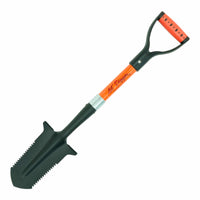
Sand Scoops for Metal Detecting: Beach, Surf & Shallow Water Recovery

A target tone disappears into wet sand, and the next two minutes decide whether you recover a gold ring or lose it to the tide. The right sand scoop for metal detecting turns that scramble into a 10-second retrieve. We stock stainless steel, titanium, and aluminum sand scoops built for surf, wet sand, and dry beach work, every major brand in one place, plus lightweight models that won’t interfere with your pinpointer signal. Orders over $99 ship free, so you can pair a long-handle surf scoop with a short-handle digger and still hit the threshold.

Pair your scoop with a waterproof & underwater metal detector for surf and shoreline hunting, or browse our beach metal detectors built for sand and salt water.

Shop by brand: CKG | CooB | Dune Scoops | Garrett | Motley Digging Tools | Nokta | Quest | RTG | Sito | T-Rex

Shop by material: Stainless Steel | Titanium | Aluminum

Shop by handle: Standard | Travel | Curved

Sand Scoops for Metal Detecting: Get the Recovery Right

The most common mistake beach detectorists make is using a garden trowel or improvised tool for sand recovery. In wet, packed sand you can’t recover a target efficiently without a proper sand scoop. The drainage holes are what make it work. A scoop with the right hole pattern lets you lift a load of wet sand, give it a shake, and reduce it to a small handful holding your target in seconds. The right scoop turns a two-minute scramble against the tide into a clean 10-second retrieve.

Stainless Steel vs Aluminum vs Titanium

Stainless steel is the top choice for serious saltwater beach work, strong, durable, and corrosion-resistant season after season. Aluminum is lighter and easier to swing all day, ideal for dry sand and lighter use, though less rugged in surf. Titanium is the premium option: nearly as strong as steel at a fraction of the weight and effectively immune to saltwater corrosion, the pick if you hunt the surf often and want the lightest tool that lasts a lifetime.

Long Handle vs Short Handle

A long-handle scoop lets you dig and sift from a standing position, essential for surf and shallow-water hunting where bending over a wave means a soaked back. A short-handle (hand) scoop is faster and more precise for dry sand and detailed digging on your knees. Many serious beach hunters carry both, paired with a waterproof pinpointer to find the target in the scoop fast.

Drainage Hole Pattern Matters

Hole size and layout decide how fast sand clears and how small a target the scoop will hold. Larger holes (around 10 mm) drain wet sand fastest and suit beach and surf work; smaller holes hold tiny targets like thin gold chains but clear sand slower. Hexagonal patterns add structural strength and let sand flow from multiple angles, which is why they dominate premium scoops.

Pinpointers & Tools for Water Recovery

Recovery is a system, not a single tool. A waterproof pinpointer turns a scoop full of sand into a found target in seconds, and a quality digging tool handles the ground a scoop can’t. Gearing up for the water? See our underwater & waterproof metal detectors and dedicated beach metal detectors.

Why Buy Your Sand Scoop from Serious Detecting

Most scoop sellers carry one brand. We carry them all. Serious Detecting stocks RTG, CKG, CooB, Quest, Garrett, Dune Scoops, Sito, Motley, and T-Rex in stainless steel, titanium, and aluminum, with long- and short-handle options for every kind of water and sand. Match the exact scoop to your soil, your back, and your budget in one place, backed by free shipping on orders of $99 or more out of Michigan and a team that hunts the beach themselves. Tell us where you hunt and we’ll point you to the scoop that’ll still be digging in ten years.

Customer Questions & Expert Answers

Get real answers from outdoor explorers and our product experts. Browse questions about performance, features, and setup —or ask your own to make sure this gear fits your next adventure.

What is the best sand scoop for metal detecting?

The best sand scoop for metal detecting, if you hunt wet sand and the surf, is a stainless steel or titanium long-handle scoop with drainage holes of about 10 mm. That combination survives saltwater, clears packed sand fast and lets you work standing up. Match the holes to your sand: fine beach sand needs smaller, closer holes, while coarse sand can use larger holes that drain faster. For dry sand and lighter use, an aluminum hand scoop is enough. Well-regarded beach scoops we carry include RTG, CKG, CooB and Dune Scoops. Pair yours with a waterproof pinpointer to find the target in the scoop quickly.

Answered by Dan P. · April 2026

Do I need a sand scoop for beach metal detecting?

Yes, you need a sand scoop for wet sand and surf-zone detecting. Without a proper scoop with drainage holes, recovering a target from packed wet sand is slow and frustrating. The holes let wet sand drain out quickly, leaving a small amount of material around the target that a pinpointer can search in seconds. A garden trowel has no drainage, so every recovery takes longer. Our beach metal detecting guide covers the rest of a beach kit.

Answered by John W. · April 2026

What is the difference between a stainless and aluminum sand scoop?

The difference between a stainless and an aluminum sand scoop is mainly durability versus weight. Stainless steel resists saltwater corrosion season after season, and its extra weight helps it cut into packed wet sand. Aluminum is lighter and costs less, which suits dry sand and occasional hunts, but repeated saltwater exposure corrodes it over time. Titanium is the premium option: nearly as strong as stainless at a fraction of the weight and effectively immune to saltwater. For regular saltwater hunting buy stainless or titanium; for dry sand and light use, aluminum is enough. See our beach metal detecting guide for the full beach kit.

Answered by Richard T. · April 2026

Should I use a long handle or short handle sand scoop?

Use a long-handle sand scoop for wet sand, the surf line and shallow water, and a short-handle scoop for dry sand. A long handle (30 inches or more) lets you dig and sift standing up instead of bending into the waves, which matters over a full session. A short-handle or hand scoop is faster and more precise for dry sand above the waterline, rocky areas and detailed digging on your knees. Many serious beach hunters carry both. Our beach metal detecting guide covers kit choices by beach type.

Answered by Dan P. · April 2026

What size drainage holes should a sand scoop have?

A sand scoop should have drainage holes of about 8 to 10 mm for most beach hunting. That size clears wet sand quickly while still holding coins and rings. If you mainly chase thin gold chains and small jewelry, choose 6 to 7 mm holes and accept slightly slower sifting. Hexagonal hole patterns add strength and let sand drain from more angles, which is why many premium scoops, such as CKG's titanium models, use them.

Answered by John W. · April 2026

Still have a question?

Ask our detecting specialists. We answer most questions within one business day, and publish the useful ones here so other detectorists benefit too.

0 / 1200

Your question and our answer will be published on this page, shown with your first name.

Protected by reCAPTCHA. We only use your email to send you the answer.